5 Ways to Stop Airbnb Financial Leaks and Boost Profit
Airbnb financial leaks are hidden expenses or missed revenue opportunities that erode profit margins, such as inefficient utility management, over-reliance on a single booking platform, and manual pricing errors. Hosts can fix these by automating dynamic pricing, optimizing tax deductions, and implementing energy-saving smart home technology immediately.
What Are the Most Common Airbnb Financial Leaks?
Financial leaks in a short-term rental (STR) business are often subtle. Unlike a major roof repair or a broken appliance, these leaks are small, recurring costs or missed gains that accumulate over months. For many hosts, the primary leak is 'revenue leakage,' where the property sits empty due to uncompetitive pricing or a lack of visibility.
Another common leak is 'operational friction.' This includes the time and money spent on manual tasks that could be automated. For example, if you spend three hours every week manually messaging guests or coordinating cleaners, you are losing money on your own labor. Every hour spent on administration is an hour not spent on scaling your portfolio or improving the guest experience. Additionally, many hosts fail to account for the 'subscription creep'—paying for multiple management tools that offer overlapping features.
Identifying these leaks requires a shift in mindset. You must view your rental not just as a side hobby, but as a lean business where every dollar must justify its presence on the ledger. By tightening these screws, you transform a break-even property into a high-yield asset.
How Much Revenue Are You Losing to Inefficient Pricing?
Pricing is the most significant lever in your STR business. Many hosts set a 'flat rate' for weekends and a different one for weekdays and then forget about it for months. This is a massive financial leak. If a local festival is happening and your price hasn't tripled, you are leaving hundreds of dollars on the table. Conversely, if your area is in a low-demand slump and your price is too high, you lose 100% of the potential revenue for that night.
Dynamic pricing is no longer optional for serious hosts. These algorithms analyze local supply, historical demand, and even weather patterns to adjust your rates in real-time. Without this, you are essentially guessing at the market value of your home.
- Manual pricing misses local event surges.
- Static rates ignore seasonal demand shifts.
- Overpricing leads to costly vacancy gaps.
- Underpricing attracts low-quality, high-risk guests.
- Inflexible stay requirements block mid-week bookings.

Hidden Maintenance and Utility Drain
Utility costs are the silent killers of STR profit margins. Guests often treat rentals differently than their own homes, leaving air conditioning units running at 65 degrees with the windows open or keeping every light in the house on while they are out exploring. These behaviors can result in utility bills that are 30% to 50% higher than a standard residential average.
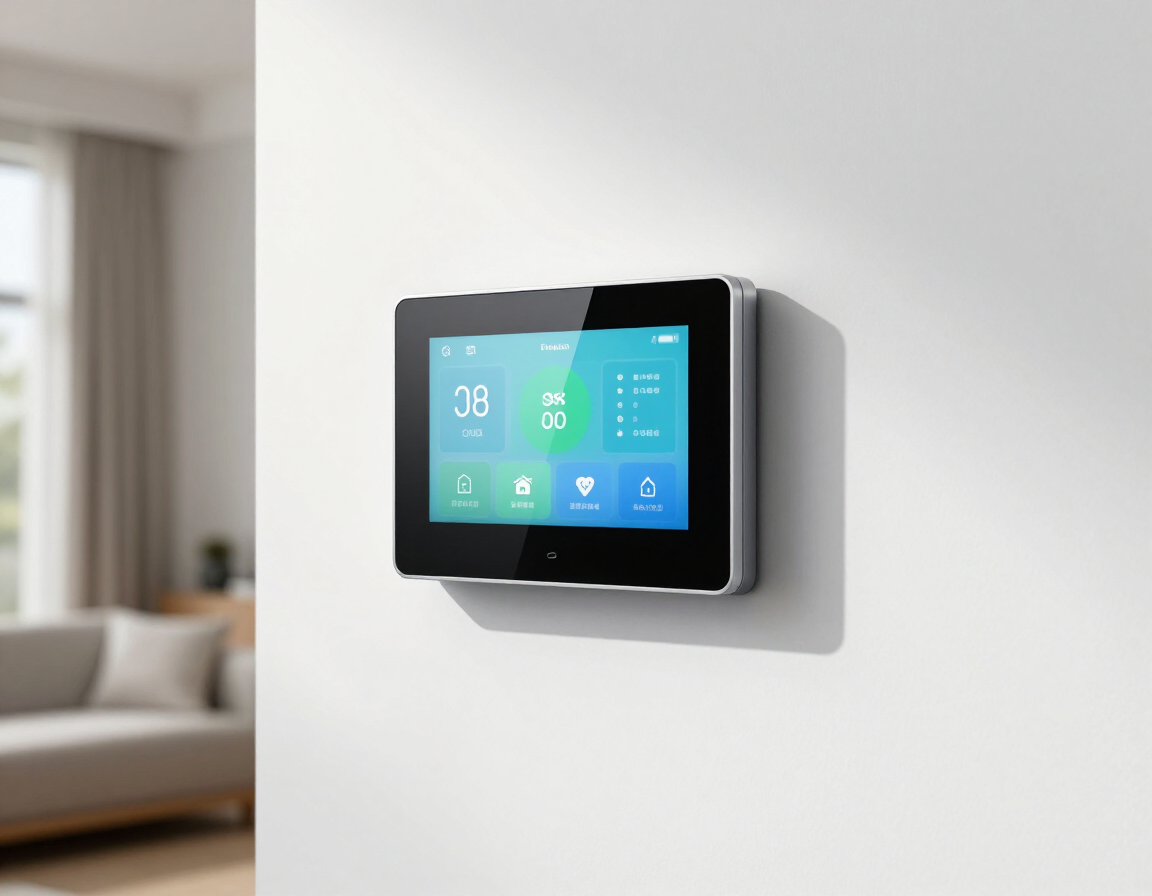
Smart home technology is the solution to this leak. Installing a smart thermostat allows you to set 'guardrails'—minimum and maximum temperatures that prevent extreme energy waste. Similarly, smart sensors can detect if a door or window has been left open for more than ten minutes and automatically shut off the HVAC system. Beyond energy, water leaks are equally dangerous. A single running toilet can cost a host hundreds of dollars over a month if it goes unnoticed between guest stays. Investing in moisture sensors and water-shutoff valves is a proactive way to plug these leaks.
Regular preventative maintenance is also cheaper than emergency repairs. If you aren't checking your HVAC filters every three months or cleaning your dryer vents annually, you are inviting a catastrophic failure that will not only cost thousands to fix but also result in refund requests and bad reviews from unhappy guests.
Why You Should Diversify Beyond Airbnb?
While Airbnb is a powerhouse, relying solely on one platform is a strategic financial leak known as 'platform risk.' If Airbnb changes its search algorithm or if your account is temporarily suspended due to a misunderstanding, your income drops to zero instantly. Furthermore, the fees associated with third-party platforms eat into your bottom line.
Diversifying your booking sources allows you to capture different demographics. For instance, business travelers might prefer booking through specialized corporate sites, while families might look at VRBO. Most importantly, building a direct-booking website allows you to keep 100% of the booking fee. If you're interested in how to transition to a more professional model, you might consider how to co-host with experts who already have these systems in place. Direct bookings foster guest loyalty and allow you to build a database for future marketing, ensuring you aren't always paying a commission to find a guest.
Strategic Tax Deductions for STR Hosts
Many hosts leave money on the table by not maximizing their tax deductions. Because short-term rentals are often treated as active businesses, the range of deductible expenses is vast. If you are not tracking every mile driven to the property, every box of laundry detergent purchased, and the depreciation of your furniture, you are paying more in taxes than necessary.
Depreciation is perhaps the most powerful tool. You can depreciate not just the structure of the house, but also the 'chattel'—the furniture, appliances, and electronics used to run the rental. Cost segregation studies can accelerate this depreciation, providing a massive tax shield in the early years of your investment. Additionally, many hosts forget that their home office, a portion of their cell phone bill, and professional services like photography or management fees are all fully deductible. If you find the financial side overwhelming, it may be time to contact us to discuss professional management options that include detailed financial reporting.
Are Manual Cleaning Workflows Costing You Money?
Cleaning is the largest recurring expense in the STR industry. A manual cleaning workflow—where you text a cleaner, wait for a confirmation, and then manually send them the next check-in time—is a recipe for error. One missed cleaning means a guest arrives to a dirty house, resulting in a full refund and a 1-star review. The 'cost' of that one mistake can equal several months of profit.
Furthermore, many hosts do not price their cleaning fees accurately. If you are charging a guest $150 but your cleaner charges $180, you are leaking $30 every single stay. Over 50 stays a year, that is $1,500 of pure profit gone. You should also consider the cost of supplies; buying in bulk and automating your supply closet can save thousands.
- Automate cleaning schedules with software syncs.
- Use checklists to ensure consistent quality.
- Review cleaning fees against actual costs quarterly.
- Invest in professional-grade linens that last longer.
- Standardize your turnovers to reduce 'hours worked' per stay.

How to Audit Your Rental Business for Leaks?
To fix your financial leaks, you must first find them. A quarterly audit is the best way to ensure your business remains profitable. Start by downloading your profit and loss statement and looking for any expense that doesn't directly contribute to guest satisfaction or revenue. Look at your 'Cost Per Occupied Night' (CPON). If this number is rising while your nightly rate stays flat, your margins are shrinking.
Check your technology stack. Are you paying for tools you don't use? Review your guest feedback for mentions of 'too hot' or 'too cold,' which signals utility waste. Finally, look at your cancellation policy. If you are too flexible, you are leaking money to last-minute cancellations that leave you with empty nights you can't re-book. If you are ready to stop the leaks and scale your business, you can list with us to leverage our professional auditing and management systems.
Summary of Key Takeaways
Stopping financial leaks is the fastest way to increase your Airbnb profit without necessarily increasing your prices. By addressing hidden costs and optimizing your operations, you can secure a much higher return on your investment. Remember, a successful short-term rental is built on the foundation of tight financial controls and automated systems.
- Automate Pricing: Use dynamic software to capture every market surge.
- Control Utilities: Install smart thermostats and sensors to prevent waste.
- Diversify Platforms: Reduce risk by listing on multiple sites and building direct channels.
- Audit Regularly: Conduct a quarterly P&L review to catch subscription creep and expense spikes.
- Optimize Operations: Ensure your cleaning fees and maintenance schedules are lean and accurate.
CJR Stays Blog