Cost of Self-Managing Your Airbnb: 5 Hidden Truths
Self-managing an Airbnb costs the average host between 10 and 20 hours of labor per week and approximately 5% to 15% of total revenue in hidden operational inefficiencies. While you avoid property management fees, the real cost includes lost revenue from sub-optimal pricing, high vacancy rates, and significant personal opportunity costs.
Many hosts start their short-term rental (STR) journey with the goal of maximizing profit by handling everything themselves. It seems simple: clean the rooms, answer a few messages, and watch the checks roll in. However, as the market matures and guest expectations rise, the gap between 'amateur hosting' and 'professional hospitality' has widened significantly. In a competitive market like Orlando, the cost of being an amateur is higher than ever before.
What is the true cost of self-managing your Airbnb?
The true cost of self-managing is a combination of your hourly labor rate, the direct expenses of tools and supplies, and the 'invisible' cost of missed revenue opportunities. Most hosts only look at the property management fee (typically 15-25%) and assume they are saving that entire amount. In reality, a self-managed host often spends more on individual software subscriptions, premium cleaning rates, and emergency maintenance calls than a professional firm with established vendor relationships would.
Furthermore, there is the mental load. Short-term rentals are a 24/7 business. A guest locking themselves out at 2:00 AM or a burst pipe on a Sunday afternoon requires immediate attention. If you are self-managing, you are the first and only line of defense. This constant 'on-call' status has a psychological price that often leads to burnout within the first 18 months of hosting. When you factor in the value of your time—perhaps $50, $100, or $200 per hour—the 'savings' of self-management quickly vanish.
How much time does Airbnb hosting really take?
Managing a single property effectively requires a diverse set of skills and a significant time commitment. Here is a breakdown of where the hours actually go:
- Guest Communication: Responding to inquiries, sending check-in instructions, answering questions during the stay, and requesting reviews.
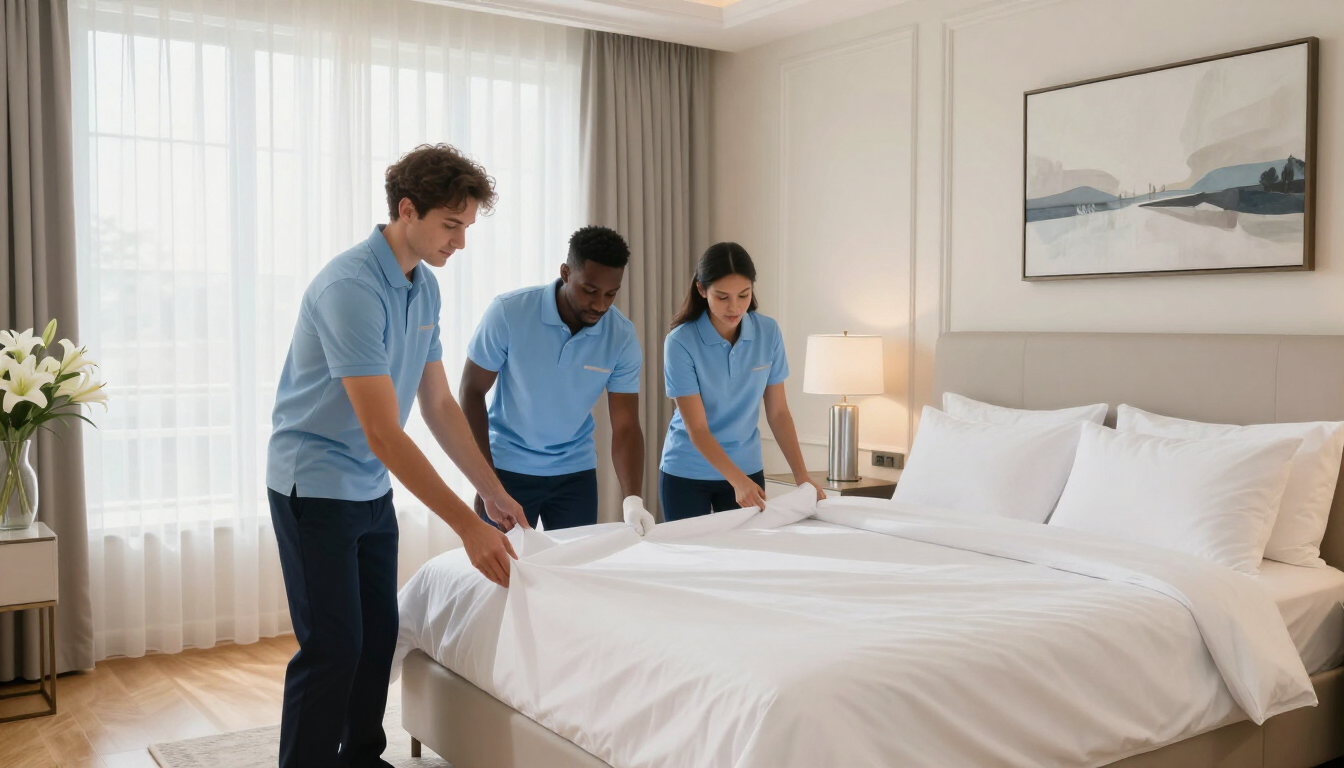
- Cleaning Coordination: Finding, vetting, and scheduling cleaners, then verifying their work through inspections.
- Maintenance & Restocking: Shopping for supplies (toilet paper, coffee, soaps) and coordinating repairs for broken appliances or wear and tear.
- Listing Optimization: Updating photos, tweaking descriptions, and managing dynamic pricing software daily to stay competitive.
- Regulatory Compliance: Staying up to date with local Orlando tax laws, HOA rules, and safety regulations.
For most hosts, this totals roughly 40 to 60 hours per month per property. If you own multiple units, this becomes a full-time job. Many hosts find that their 'passive income' dream has turned into a high-stress administrative role that takes them away from their primary career or family. If you're feeling overwhelmed, exploring co-hosting options can be a middle-ground solution that offloads the heavy lifting while keeping you involved in the big decisions.
Financial leaks: The hidden expenses of DIY hosting
Beyond the time commitment, self-managed hosts often suffer from 'financial leaks'—small inefficiencies that add up to thousands of dollars in lost profit annually. One of the biggest leaks is dynamic pricing . Professional management companies use enterprise-grade algorithms to adjust rates based on local events, flight data, and competitor occupancy in real-time. A DIY host might check their pricing once a week, potentially missing out on a $200-per-night premium during a surprise convention or holiday weekend.
Another significant leak is the cost of supplies and maintenance. Management firms buy in bulk and have 'preferred' vendors who offer discounted rates for plumbing, HVAC, and electrical work. As a single-property host, you are likely paying 'retail' prices for every repair. Over a year, the difference between a $150 plumbing call and a $300 emergency weekend call (because you don't have a dedicated maintenance team) can erase your monthly profit margin. To see how professional systems look in practice, you can view our listings to understand the level of maintenance and presentation required to command top-tier rates.
Is professional STR management worth the fee?
To determine if professional management is worth the fee, you must look at the Net Operating Income (NOI) , not just the gross revenue. A professional manager typically charges 15-20%, but they often increase gross revenue by 30% or more through professional photography, search engine optimization (SEO), and aggressive multi-channel marketing.
Consider this comparison for a typical Orlando vacation home:
- Self-Managed: $5,000 gross revenue - $1,500 expenses = $3,500 profit (plus 60 hours of your labor).
- Professionally Managed: $6,500 gross revenue - $1,300 (20% fee) - $1,200 expenses = $4,000 profit (plus 0 hours of your labor).
In many cases, you actually make more money by paying someone else to do the work. This is the paradox of professional property management: it often pays for itself through higher occupancy and better nightly rates. If you are curious about what your specific property could earn under professional care, you can list with us for a free revenue analysis.
5 Things to consider before scaling your portfolio
If you are planning to grow your investment portfolio, you need to decide if you are an investor or an operator. Investors focus on ROI and asset growth; operators focus on the day-to-day tasks. If you choose to remain an operator, your growth will eventually be capped by the number of hours in your day. Here are five things to evaluate:
- Scalability: Can your current processes handle three, five, or ten properties?
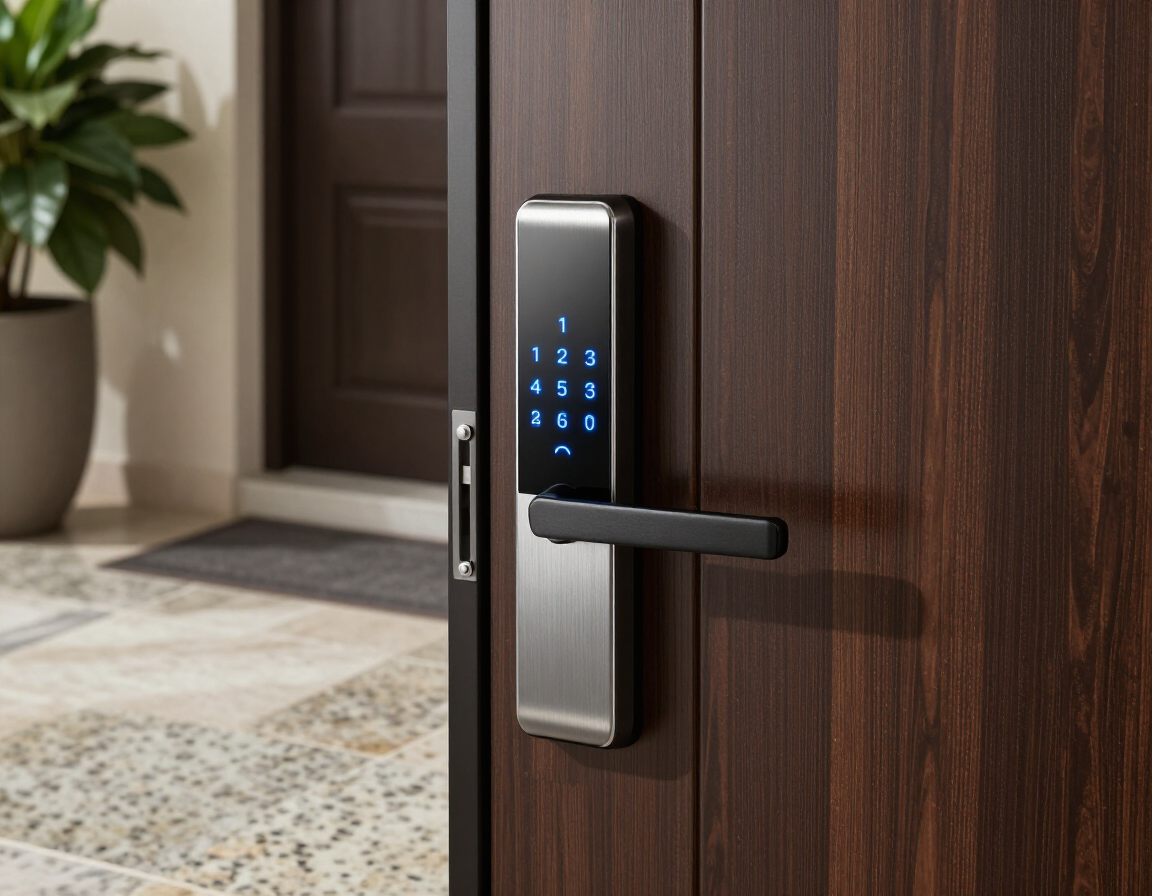
- Technology Stack: Are you using a Property Management System (PMS), noise monitors, and smart locks?
- Guest Experience: Is your 'Average Response Time' under 15 minutes? (Airbnb rewards fast responders).
- Market Saturation: In a crowded market like Orlando, how does your listing stand out against professionally staged homes?
- Exit Strategy: Does your management style make the property an attractive 'turnkey' asset for a future buyer?
Professional management doesn't just save you time; it protects your investment. By ensuring the home is perfectly maintained and the guest reviews remain at a 4.9-star average, managers preserve the long-term value of your real estate asset.
Why Orlando hosts are switching to professional management
Orlando is a unique market with high turnover and strict local regulations. Between the fluctuating seasonal demand and the constant wear and tear from theme-park-going families, the logistical demands are immense. Local hosts are increasingly realizing that 'DIY' hosting is no longer sufficient to compete with high-end management firms that provide hotel-style amenities and 24/7 guest support.
Furthermore, the legal landscape is shifting. Short-term rental permits, tourism development taxes, and safety inspections are becoming more scrutinized. A professional management company handles all the paperwork, ensuring you never face a fine for non-compliance. They act as a buffer between you and the various regulatory bodies, giving you total peace of mind.
Summary and Next Steps
Self-managing your Airbnb is a viable option for those with plenty of free time and a passion for hospitality operations. However, for most investors, the cost of self-managing your Airbnb far outweighs the management fees of a professional firm. The combination of lost revenue, high personal labor, and the risk of burnout makes professional management a more profitable and sustainable choice in the long run.
Key Takeaways:
- Self-management costs 10-20 hours per week and 5-15% in operational leaks.
- Professional pricing and marketing can increase gross revenue by 20-40%.
- The mental load of 24/7 guest communication is the leading cause of host burnout.
- Local expertise in markets like Orlando is critical for regulatory compliance.
Ready to reclaim your time and maximize your rental income? Contact us today to learn how we can transform your Airbnb into a truly passive, high-performing investment.
CJR Stays Blog