Use These 3 Strategies for an Underperforming Short-Term Rental
Deciding to keep, convert, or sell an underperforming short-term rental requires evaluating your cash flow, management overhead, and market demand. If the property has high potential but poor reviews, keep it and improve management. If local laws or demand have shifted, convert to a long-term rental or sell to recoup equity.
How do you identify an underperforming short-term rental?
Recognizing that your investment isn't meeting expectations is the first step toward financial recovery. An underperforming short-term rental (STR) isn't just one that misses a few bookings; it is a property where the expenses consistently outpace the revenue or where the time investment required to manage it far exceeds the financial reward. For many owners in competitive markets like Orlando, the signs of a struggling property can be subtle before they become overwhelming.
You might notice that your occupancy rates are significantly lower than the market average for your specific neighborhood. Alternatively, you might be keeping the house full but only by lowering your rates so much that your profit margins disappear. This "race to the bottom" pricing strategy is a classic sign of an asset that isn't standing out in the marketplace.
Another red flag is a declining guest experience. If you find yourself constantly dealing with maintenance issues, negative reviews, or guest complaints, the property is underperforming in its ability to provide a high-quality stay. In the world of short-term rentals, reputation is currency. Once that reputation begins to slip, the financial performance almost always follows suit. Owners who feel burnt out by the constant demands of guest communication and turnover management often overlook these signs until the bank account reflects the struggle.
Essential Metrics for Short-Term Rental Profitability
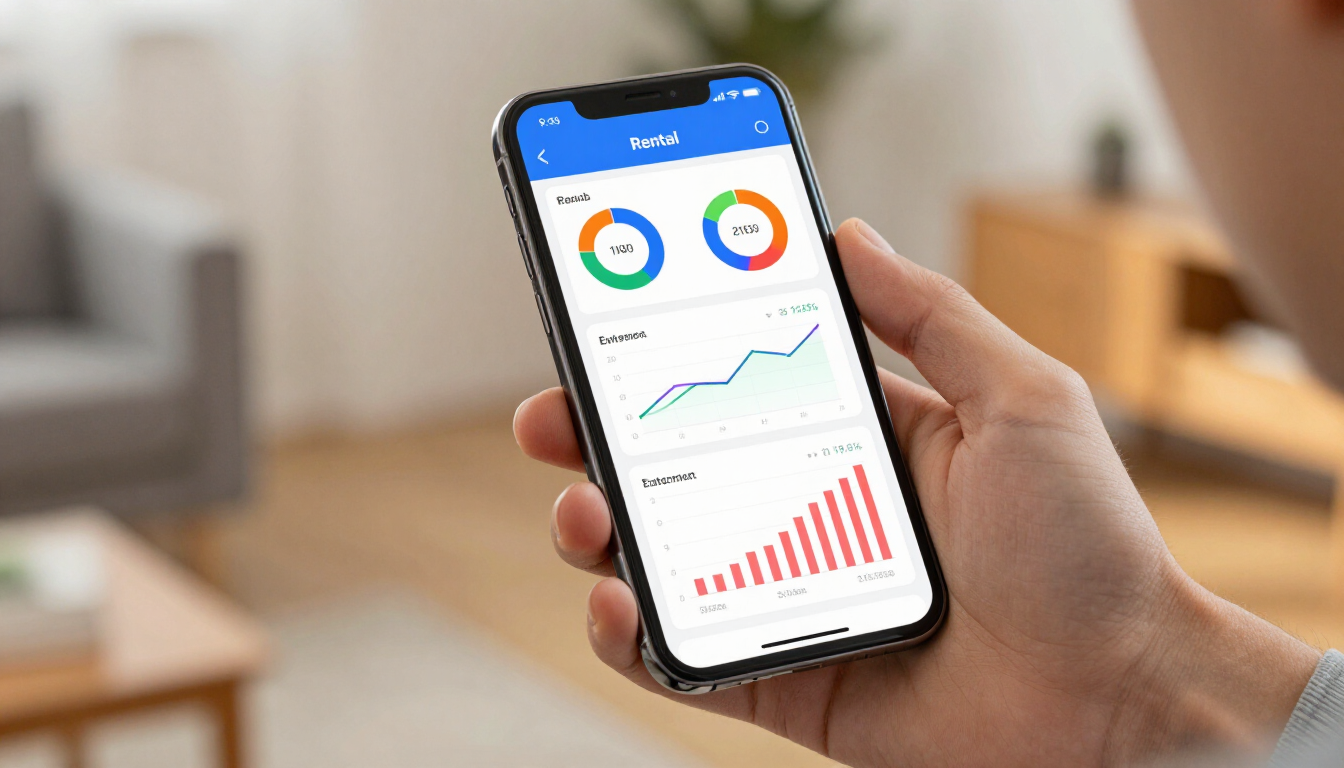
To move from emotional stress to logical decision-making, you must look at the hard data. Analyzing an underperforming short-term rental requires a deep dive into several key performance indicators (KPIs). These numbers will tell you whether the problem is the property itself, the market, or your current management approach.
- RevPAR (Revenue Per Available Room): This is calculated by multiplying your average daily rate (ADR) by your occupancy rate. It provides a clearer picture of health than ADR alone.
- Net Operating Income (NOI): This is your total revenue minus all operating expenses (cleaning, utilities, platform fees, taxes, and maintenance). If this is negative, you are paying to own the property.
- Cash-on-Cash Return: This measures the annual pre-tax cash flow relative to the total amount of cash invested. It helps you compare the STR to other investment vehicles like stocks or long-term rentals.
- Average Occupancy vs. Neighborhood Benchmarks: Using tools to see if your 40% occupancy is a "you" problem or a "market" problem is crucial for deciding your next move.
- Maintenance-to-Revenue Ratio: If more than 15-20% of your gross revenue is being swallowed by constant repairs, the property may be a "money pit."
When is it best to keep and optimize the property?
Sometimes, an underperforming short-term rental is a "diamond in the rough" that simply needs a professional touch. If the bones of the property are good, the location is desirable, and the market demand still exists, keeping the property and pivoting your strategy is often the most lucrative path. Optimization is usually the right choice when the underperformance is caused by "fixable" factors like poor photography, outdated decor, or slow response times to guest inquiries.
In many cases, owners who manage properties themselves find that they simply don't have the time to keep up with the algorithmic demands of platforms like Airbnb or VRBO. These platforms reward fast response rates, frequent calendar updates, and dynamic pricing. If you are leaving money on the table because you aren't using a dynamic pricing tool or your listing description hasn't been updated in two years, you have an optimization problem, not a property problem.
Investing in a professional refresh can often turn a struggling unit into a top earner. This might include:
- Hiring a professional interior designer specialized in short-term rentals.
- Upgrading to high-thread-count linens and premium amenities.
- Investing in high-end professional photography that captures the "vibe" of the home.
- Implementing automated guest messaging to ensure a 5-star communication score.
- Using the CJR STAY System to streamline operations and guest satisfaction.
By addressing these operational gaps, you can often see a dramatic shift in performance without having to give up the long-term equity growth of the asset.
Why should you consider converting to a long-term rental?
If the volatility of the short-term market is causing too much stress, or if local regulations are making STR operations difficult, converting to a long-term rental (LTR) might be your best move. While the gross monthly income of an LTR is typically lower than an STR, the expenses and management intensity are also significantly reduced. This is a "stabilization" strategy that turns an underperforming short-term rental into a predictable, passive income stream.
Conversion is particularly attractive if your property is located in an area where the demand for traditional housing is high but the "vacation" appeal is low. For example, a property near a hospital or university might struggle as a vacation rental but excel as a mid-term or long-term rental for professionals. You also save on costs such as high-frequency cleaning, platform commissions, and utility bills, which are often passed to the tenant in long-term agreements.
Before making the switch, you should calculate your potential LTR yield. If the long-term rent covers your mortgage, taxes, insurance, and a small maintenance reserve, it provides a safe harbor while you wait for the property to appreciate in value. This allows you to keep the asset on your balance sheet without the daily headache of guest management. If you are tired of the constant churn, this pivot can save your sanity.

Strategic Signs It Is Time to Sell Your Investment
There are moments when the best financial decision is to cut your losses and move your capital elsewhere. Selling an underperforming short-term rental is not a sign of failure; it is a strategic reallocation of assets. Real estate markets move in cycles, and sometimes the best move is to capture the equity you have built and invest it in an asset class that is currently performing better or requires less of your personal bandwidth.
You should seriously consider selling if you encounter any of the following deal-breakers:
- Regulatory Hostility: If your local municipality has passed strict bans or high taxes on STRs that destroy your margins.
- Structural Money Pits: If the property requires a major capital expenditure (like a new roof, foundation repair, or complete plumbing overhaul) that you cannot justify based on projected revenue.
- Negative Cash Flow with No Reversal: If you have tried professional management and optimization, and the property still loses money every month.
- Opportunity Cost: If you could take the equity from the sale and put it into a different property or investment that yields a higher return with less risk.
- Lifestyle Shift: If you simply no longer want to be in the hospitality business and prefer a more passive investment portfolio.
Selling during a seller's market can provide you with a significant
CJR Stays Blog